
BLANCHE MONNIER: THE FRENCH SOCIALITE WHO LOST EVERYTHING FOR LOVE
Kevin Gorian


“Mr. Attorney General: I have the honor of informing you of an exceptionally serious incident. I speak of an old maid who is locked up in the house of Madame Monnier, half-dead from starvation, living in a rotting bed for the past twenty-five years—in a word, in her own filth.”
—Anonymous letter to the Attorney General of Paris, May 23, 1901.
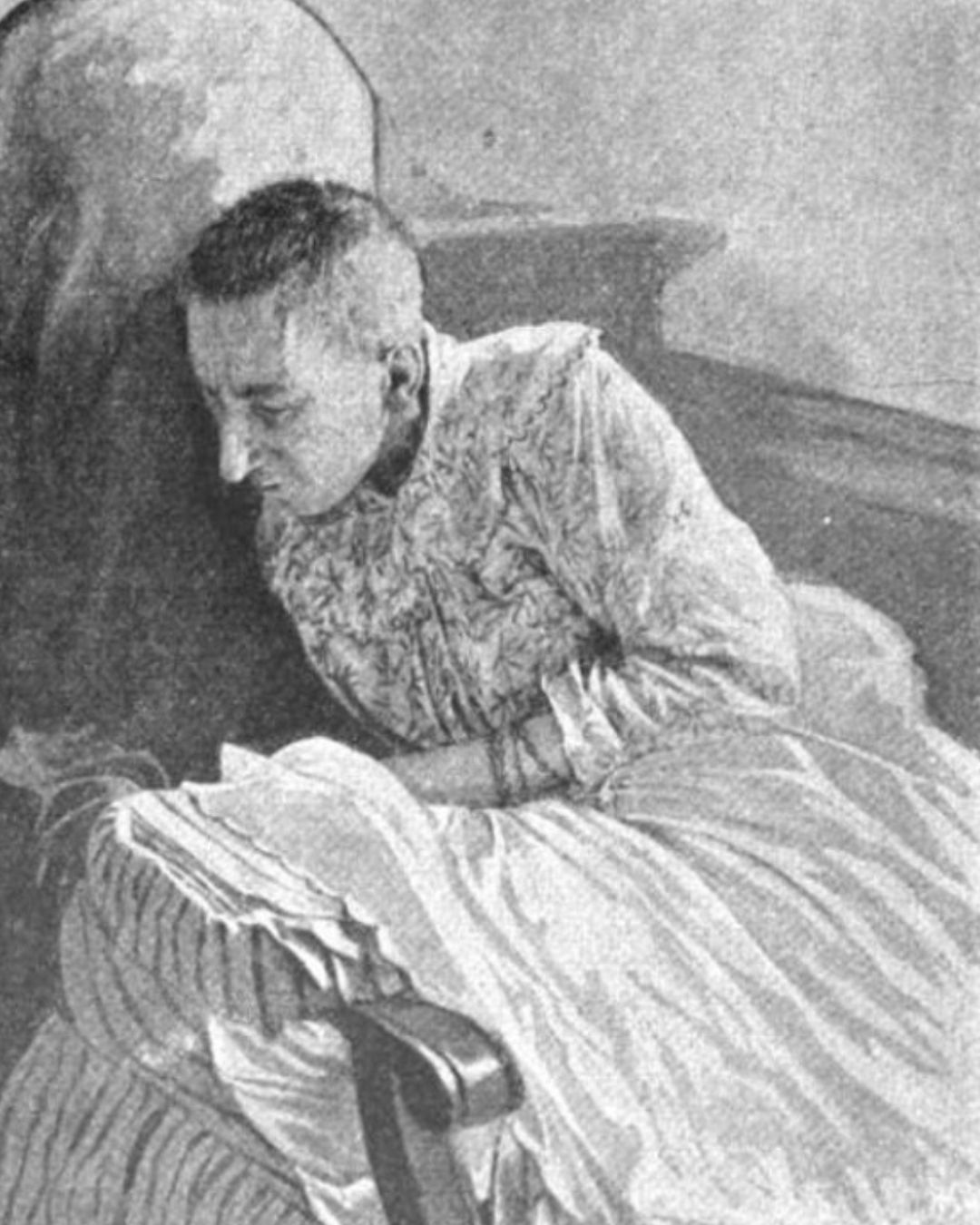
Blanche Monnier was both fortunate and tragically cursed to be born into a wealthy family in Poitiers, France, on March 1, 1849. Until the age of 27, this 19th-century socialite enjoyed all the privileges her name could offer: parties, connections, and the pleasures of an idle aristocratic life. But the glamour of the Monnier family came to a sudden halt in 1876, when Blanche fell hopelessly in love with Victor Calmiel, a penniless republican lawyer who failed to meet the approval of her deeply conservative mother.
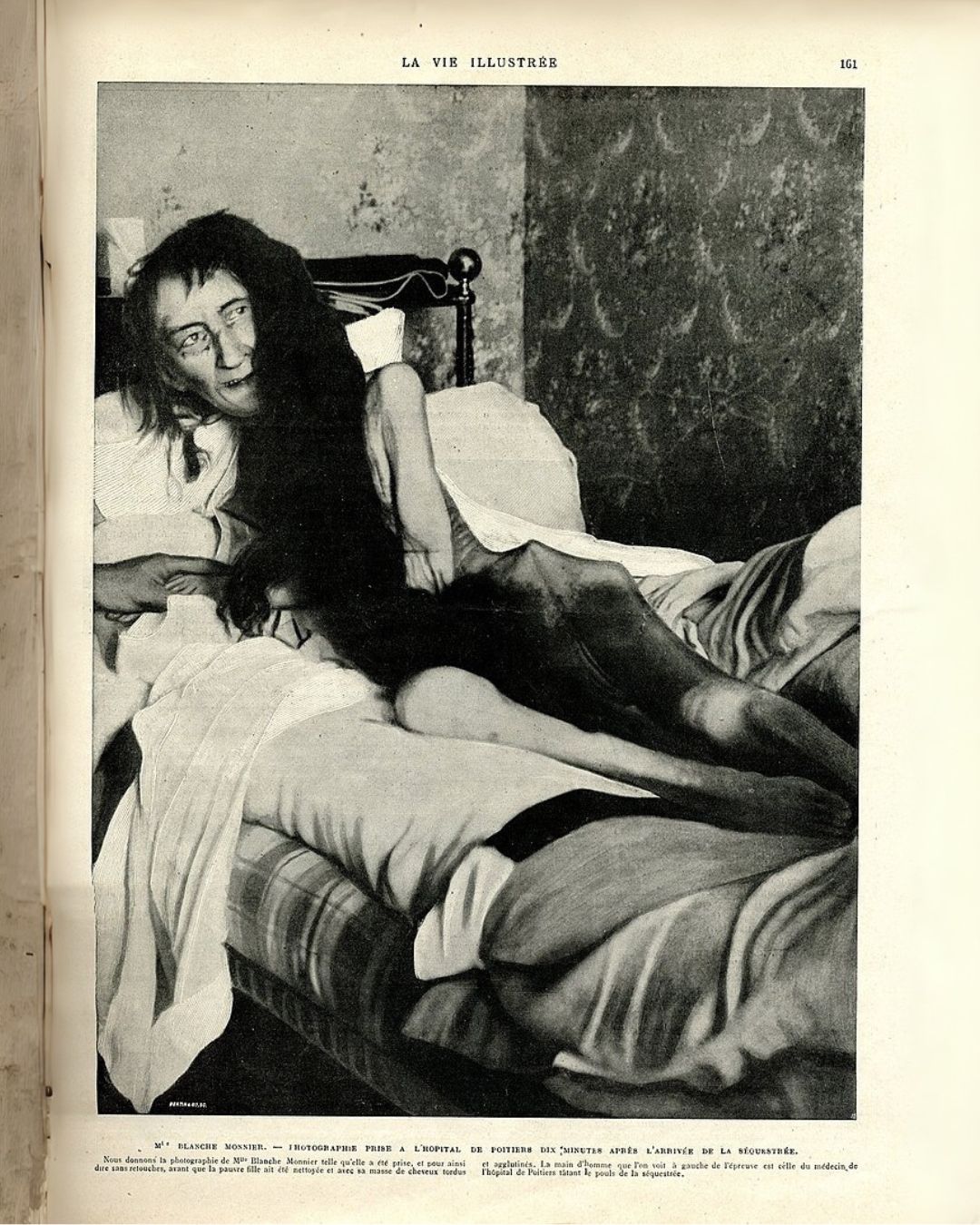
Blanche’s plan was simple: follow her heart and marry Calmiel. But after much insistence, her mother decided she'd had enough of her daughter’s “spoiled” and impoverished romance. With the help of her son Marcel and the paid-off silence of the household staff, Madame Monnier locked Blanche away in a small, bare attic room. What might have begun as a wildly excessive punishment soon became a prolonged torture. Blanche remained in that room—cut off from sunlight, in filthy conditions, and fed barely enough to survive—for the next 25 years of her so-called “life.”
Madame Monnier and Marcel publicly grieved the "loss" of their daughter and sister. And while Blanche’s friends found her disappearance suspicious, there was nothing they could do. Time passed. In 1885, Victor, Blanche’s beloved, died—never knowing that she hadn’t abandoned him, but had instead been imprisoned for loving him.
It wasn’t until May 23, 1901, that someone—whose identity remains unknown to this day—finally spoke out. They sent a letter to the Paris Attorney General, revealing the truth behind Blanche’s disappearance. Not even Madame Monnier’s pristine reputation could stop the police from raiding her home. In the attic, they found a locked door.
Behind it, they discovered a woman over 50 years old, naked, emaciated, lying on a rotting mattress, surrounded by insects, spoiled food, and her own bodily waste—living in inhumane conditions beyond comprehension.
Blanche’s mother, Louis Monnier, was arrested but died of a heart attack just 15 days later, unable to bear the fury of public outrage. Marcel, who had been sentenced to 15 months in prison, was released after an appeal, since at the time French law did not recognize a legal obligation to rescue someone in danger.
As for Blanche, she never recovered. After her rescue, she was taken to a hospital and diagnosed with numerous conditions caused by her long imprisonment—anorexia, schizophrenia, compulsive disorders, and more. She died on October 13, 1913, twelve years after being freed.
Blanche’s story was later chronicled in La Séquestrée de Poitiers by author André Gide, who, though he took some creative liberties, preserved the core truth of the tale. The case of Blanche Monnier also led to significant reforms in French law, including the establishment of a legal duty to assist individuals in danger.